
Bigger is not automatically better
Oversized equipment can create short cycles, noise, temperature swings, and poor moisture control.
Undersized equipment may struggle during demanding conditions.
Equipment ratings matter, but the complete home and installation determine the result you actually feel.
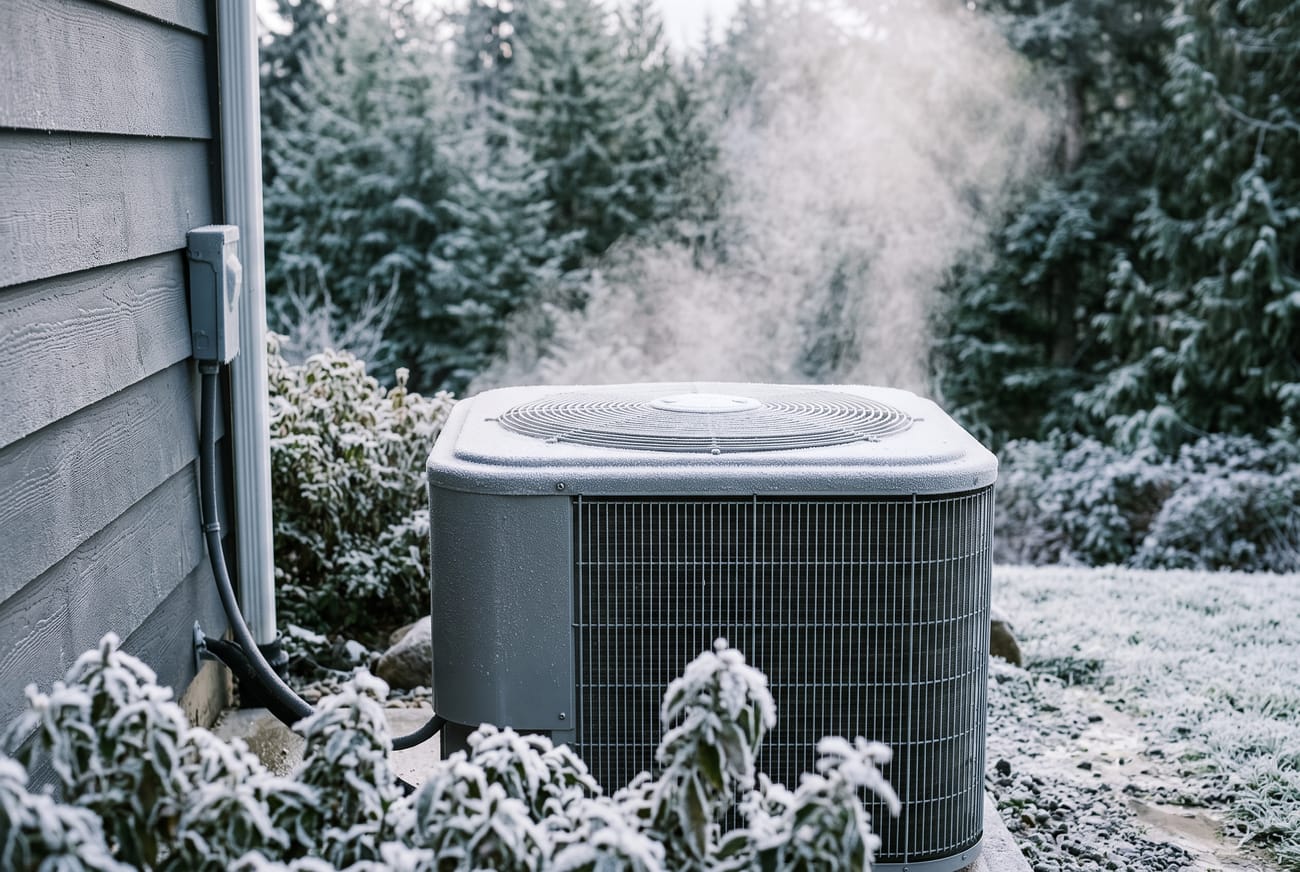
Oversized equipment can create short cycles, noise, temperature swings, and poor moisture control.
Undersized equipment may struggle during demanding conditions.
Even efficient equipment cannot deliver good comfort through restricted, leaky, poorly balanced, or incomplete ductwork.
Staging, schedules, setbacks, sensor locations, fan settings, zoning, and system compatibility affect performance and comfort.
Startup measurements and final adjustments confirm that the installed system is operating as designed in the actual home.
Air sealing, insulation, windows, shading, and moisture control influence how much heating and cooling the home needs.
Sometimes the most useful comfort improvement is outside the equipment.
Equipment that can adjust output may provide steadier temperatures, quieter operation, and longer cycles when the application, controls, and ductwork support it.
Prefer to talk it through? A real person can answer questions about your specific system.